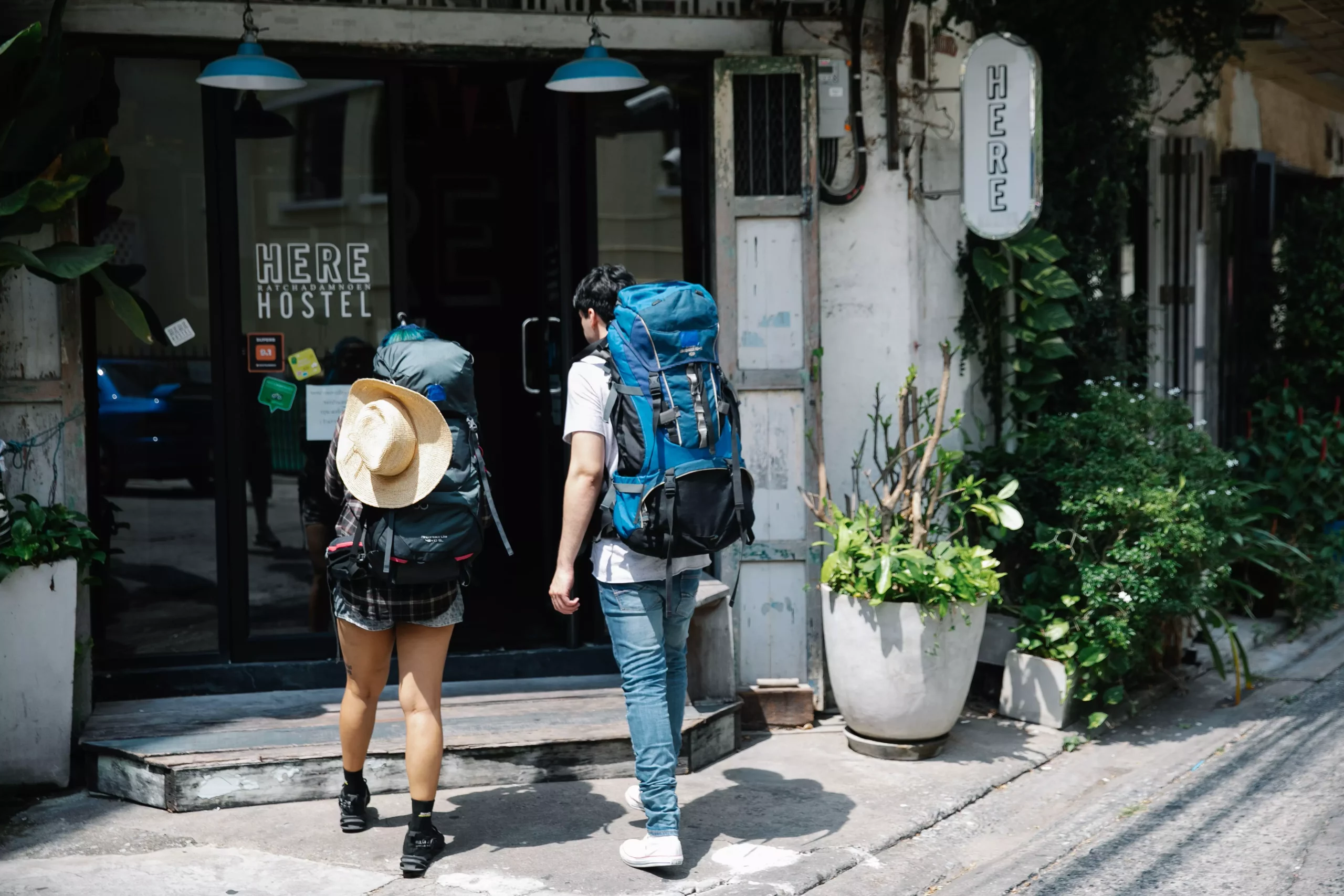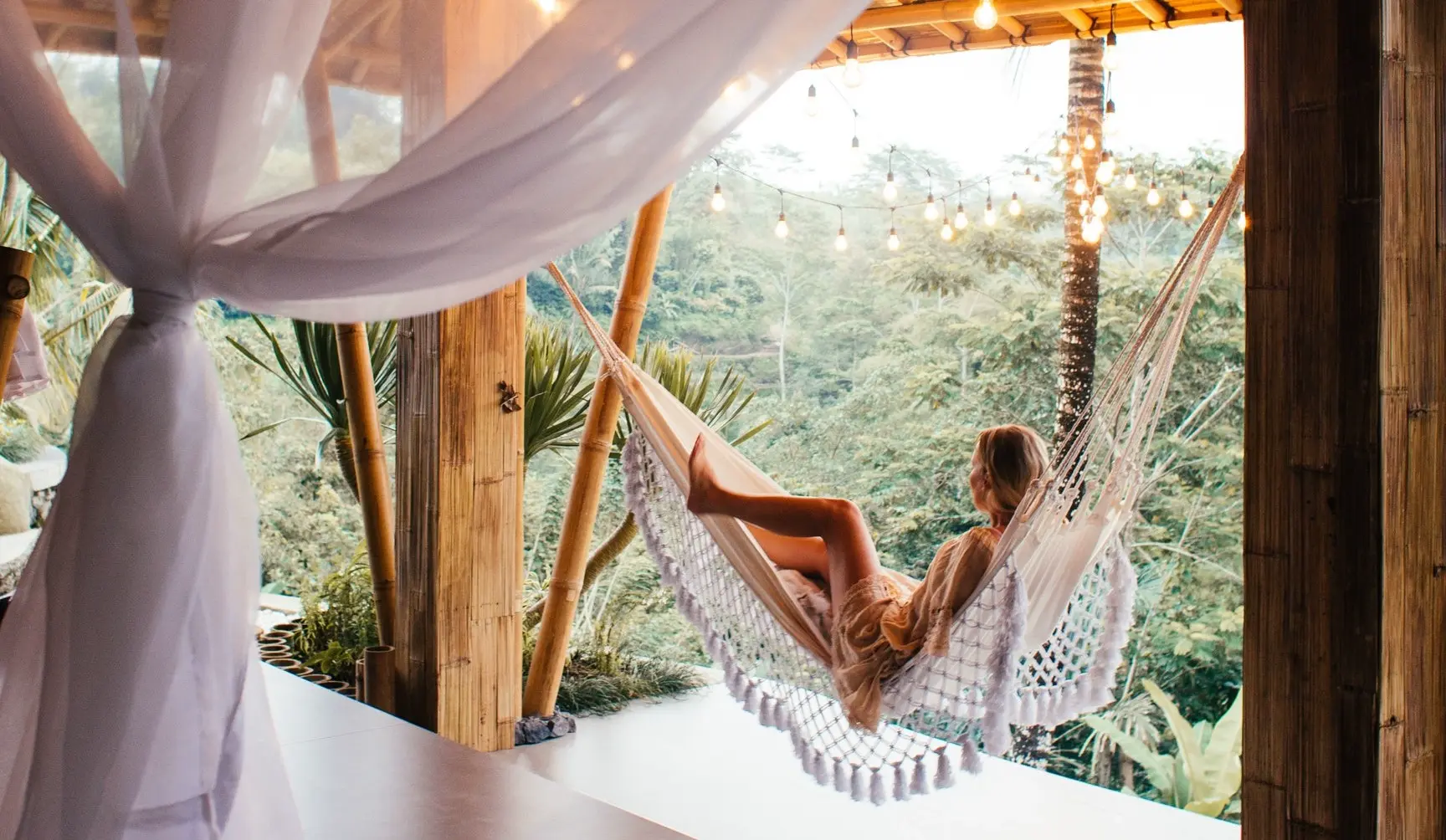
Digital nomads – workation – workspace in accommodation
We are intensely pushing the time of the coronavirus pandemic out of our own consciousness. However, it is worth noting that in the enormity of the tragedy, changes and constraints, there were also aspects that we can now consider “pluses of the pandemic.” Remote work and its various variations are definitely such “pluses.” Until recently, a very limited number of professions were able to work remotely, or at least that’s what employers thought. No one bent over backwards to realize that the tools now available make it possible for a really wide range of professions to do this kind of work. The coronavirus pandemic forced us to look for solutions that allow us to work separately, but together. It turned out that you can. In many professions, 90% of work could be done remotely, from anywhere. This was proven during the months when work at the place of employment was limited.
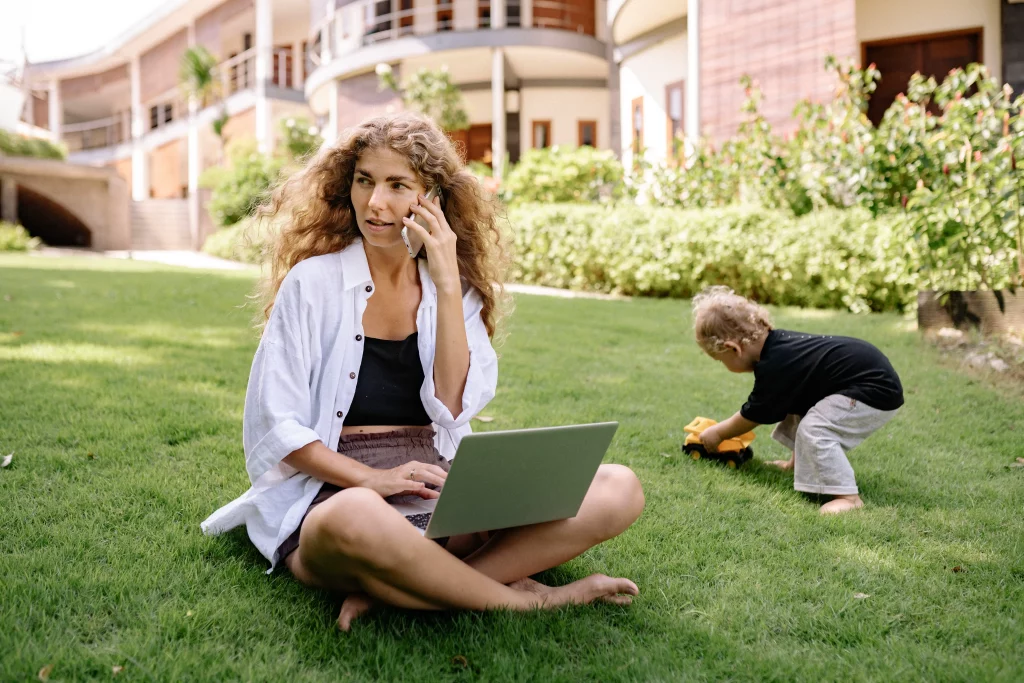
It can be said that remote work has already been accepted as something completely natural. More and more companies are converting to it, offering full-time remote work or hybrid work, a system that combines remote work with on-site work at the company’s headquarters. Now it’s time for the natural order of things, that is, the modification of this concept. Remote work has begun to develop and is no longer limited to working from home. It turned out that it was possible to combine work and vacation, and work from anywhere on Earth with Internet access. This is how the term workation came into existence. The term “workation” comes from the English language, and is a combination of the words “work” and “vacation”, creating a potentially dream work system that harmoniously reconciles work duties with rest. This work system has become so popular that it has even named a person who works this way under the term digital nomad.
A digital nomad is a person who lives a lifestyle of working remotely from anywhere in the world that allows access to the Internet. This kind of work allows digital nomads to realize their need to travel and explore different places around the world with professional development.
The search for a balance between life and work is increasingly common in all modern companies. Therefore, knowing what workation is and how to prepare for this special type of tourist – the digital nomad – is essential.

What is the difference between workation, digital nomad and remote work?
To fully understand what workation is, it is important to distinguish this concept from the standard remote work developed during the pandemic. Although the two forms have many aspects in common, such as the ability to work outside of one’s place of employment or company headquarters, we can detect noticeable differences in the area of the workplace, for example. In the case of digital nomads, it is a completely arbitrary place, often combined with a resting place. Remote work in its basic definition is mainly working from home. Differences can also be seen in working hours. In remote work, most often the employee has specific hours of his availability and a designated time when he should be able to connect with his employer or team. The digital nomad travels while working and works while traveling, and his working hours do not fall into strictly defined time slots.
It would seem that this kind of work is everyone’s dream come true. However, it has many downsides that are worth bearing in mind. One of them is the fact that in order to do this kind of work, you need to be very determined, systematic and able to motivate yourself to perform your professional duties, especially if you see a beautiful turquoise sea outside the window, palm trees, and the heat creeps in through a tilted window. Here their role and flexibility can be perfectly demonstrated by accommodation facilities, Which undoubtedly should consider digital nomads as one of their regular guests.

Accommodation prepared for the digital nomad
You run a business in the travel industry, renting apartments, rooms and other facilities. You know that you have to include individual guests, families or groups of friends in your offer, but nowadays also just such a specific type of tourist as the digital nomad. So how can you best prepare the offer of your accommodation facility for the digital nomad, so that he or she feels as if he or she is in the most comfortable and convenient office and nothing disturbs his or her workation? Preparing a hotel room for remote work requires taking into account several important aspects that will help create an ergonomic and comfortable work environment.
Get to know them all:
A stable and quality Internet connection: Make sure you offer a stable and fast internet connection in your property. Let your guests know on your website and in your advertising materials what internet speed you offer, and what equipment you have in each room (such as a router).
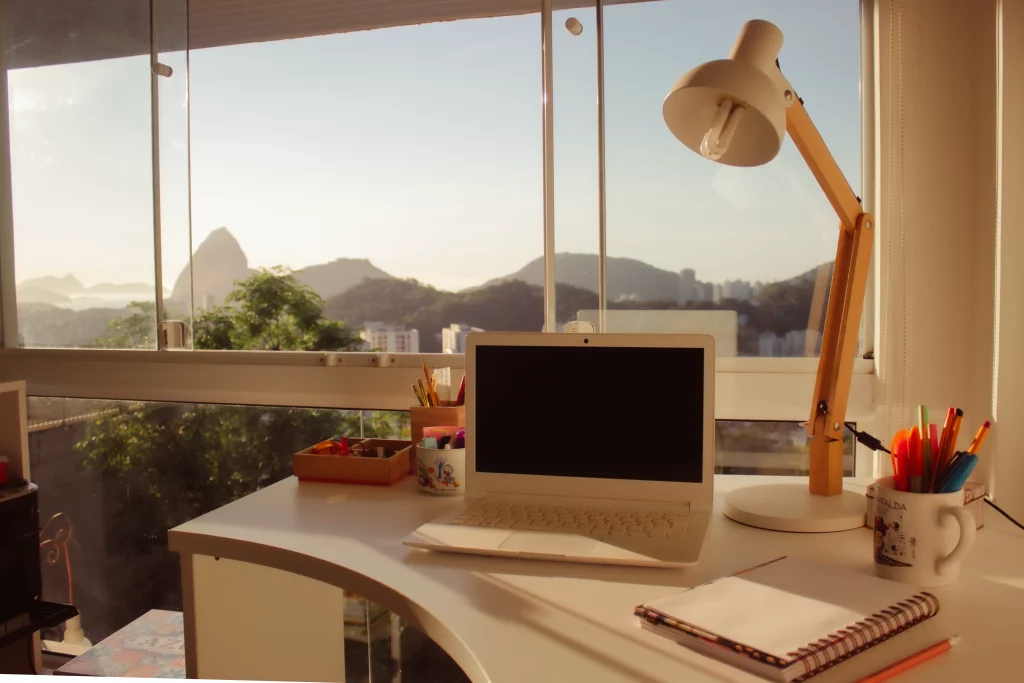
Well-adapted work space:
- Designate the best place in your rental property to serve as a work area. There must be a desk, a comfortable chair and adequate lighting. Ideally, as much natural light as possible. So look for a space near a window or exit to a terrace. However, remember to have decent blinds or curtains, as well as a lamp, which will come in handy after dusk.
- Make sure your designated work area near your desk has electrical outlets for plugging in and charging devices.
- Ergonomics in the workplace is extremely important. A comfortable chair is, of course, a must, but any extras like cushions, armrests, horns or back pads will be a plus for a well-equipped remote workstation.
- You don’t have to offer computer equipment unless you want to include it in your offer. However, make sure to include extras like USB cables, adapters, headphones or a mouse pad, which can come in handy for traveling employees.
- It’s a plus if your hotel room has a TV that a guest can use as a second monitor if they need one.
Privacy:
A well-designed room for workation must provide privacy for the guest. Digital nomads have different functions and occupations with different sensitivities to information. A system should be established with them for cleaning, delivering meals, or other activities that require them to enter the facility they rent.
Stock up on water, coffee and snacks:
Remote work is no lighter than office work. Forces drop, and the body demands water and substantial snacks. If you can, make sure to provide a small treat for your guest, such as nuts, dried fruit or salty snacks, as well as a supply of water. Coffee, tea and snacks are often welcome in workspaces, as they help sustain energy and concentration.
Access to attractions in the area:
If there are any attractions and recreational venues in the vicinity of your facility, it’s worth mentioning them in the offer directed to digital nomads. They will certainly be more likely to choose a location where they can rest and relax after work, rather than one that has nothing to offer them.
Signage and promotion: If the accommodation offers a workspace, it’s worthwhile to properly brand it and promote it in marketing materials. This attracts traveling digital nomads who value maximum comfort on the go.
Preparing a hotel room for remote work requires consideration of the guest’s work and comfort needs. With proper planning and organization, you can create an efficient work environment and a special offer under the growing work system – workation.

How to effectively introduce an offer for digital nomads in your business?
The percentage of travelers working remotely, also known as “digital nomads” or “remote workers,” has increased significantly over the past few years. There are many factors that have contributed to this trend.
How do you effectively introduce an offering for digital nomads in your business? A very good question that accentuates your awareness of how to respond to the needs of the changing market in the travel industry. By investing in tools that are also guided by this idea, you have a chance to fill your booking calendar, as you are not closing yourself off to any group of tourists.
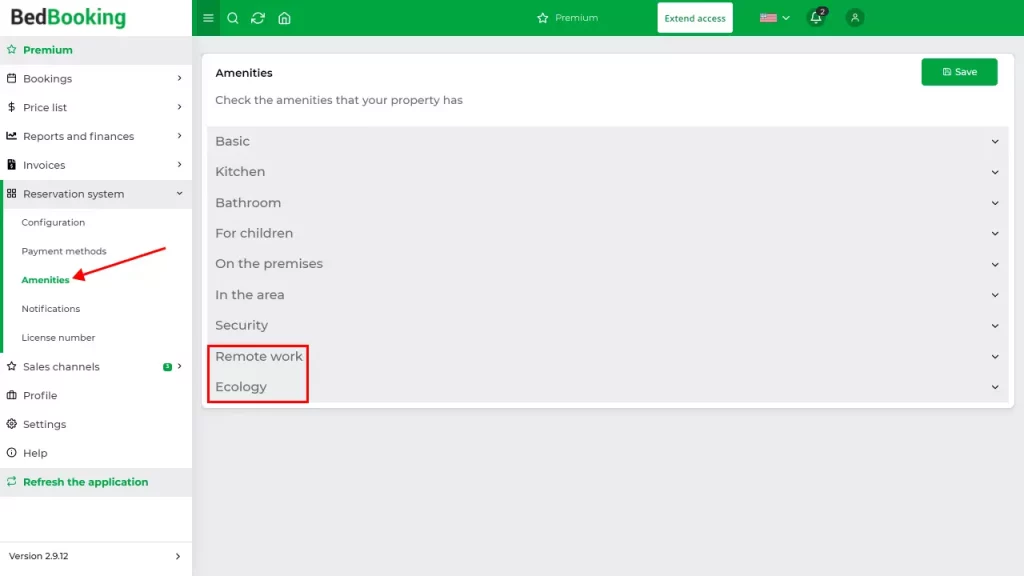
BedBooking’s booking calendar has provided for an “amenities” feature in its system, which allows the owner of a rental space to mark that space ready for booking against remote work. As a property owner, you mark, for example, a desk, chair, monitor and other equipment that will be ready waiting for a guest at the rental place.
There is no exact data on the share of remote working tourists in the total number of tourists, as this is a dynamically changing category and depends on many factors, such as geographic region and professional industry. However, it is safe to say that the number of people combining remote work with travel is growing and is already a significant tourism segment. This is a trend that could affect the development of the travel industry and accommodations in the future, so prepare your offerings today for digital-nomads as well.
If you have additional questions – contact us [email protected]
START TODAY
It really doesn’t take much to see how BedBooking makes managing your accommodation easier. Full functionality during the trial period. Try it out for 30 days with no obligations on multiple platforms and devices.




Popular posts: