How to Manage Social Media for Accommodation? A Guide (Updated 2026)
Before a guest clicks “Book Now,” they’ll check you out first. They’ll look at your Instagram profile, scroll through your Reels, read the comments, and check out your featured Stories. If the latest post is from last season and there’s no booking link in the bio – they’ll quietly choose another place. You won’t find out from any report. That’s why managing social media for small lodging establishments isn’t just an add-on to marketing today – it’s part of the booking journey. For many guests, Facebook, Instagram, TikTok, and YouTube Shorts are where they look for inspiration, check out the vibe of a place, compare offers, and decide whether they want to stay with you.
Well-managed social media can help owners of apartments, vacation homes, bed-and-breakfasts, campgrounds, and agritourism properties build trust, increase brand recognition, and attract more direct bookings. There’s just one condition: the profile must be managed regularly, authentically, and with a specific guest in mind.
The good news: you don’t need an agency or a large hotel’s budget. A small property has an advantage on social media that chain hotels can only envya – a genuine face and a genuine story. In this guide, we’ll show you how to manage your accommodation’s social media step by step: what to post, how to plan content, and how to connect your profile to an online booking system so that likes turn into bookings.

Why is social media important for an accommodation property?
Guests rarely book a stay immediately after seeing the first post. First, they get to know the place: they look at photos, check reviews, follow the profile, and compare location, prices, and availability. Social media is therefore not so much a “showcase” as a stage in the purchasing journey – often the decisive one.
A well-managed profile allows you to:
- showcase the atmosphere of your property before guests experience it in person,
- stand out from the competition with more than just price,
- build a relationship with future guests and stay top-of-mind with regulars,
- answer questions before booking,
- provide information about available dates,
- promote seasonal offers,
- direct users to direct bookings, e.g., the BedBooking booking system
- reduce dependence on OTAs and their commissions.
For small and medium-sized accommodations, this last point is particularly important. Every direct booking from Instagram or Facebook is a commission-free booking – and on top of that, you have direct contact with the guest from the very first message.

Start by identifying who you’re talking to
The most common mistake made by accommodation owners? Publishing content “for everyone.” However, a downtown apartment for couples communicates differently than a lakeside cottage for families with children, and a rural retreat for those seeking peace and connection with nature communicates yet differently.
Before you plan your posts, answer a few questions:
- Who most often books a stay with you?
- Are they families, couples, groups of friends, seniors, business travelers, or perhaps pet owners?
- From which cities or countries do your guests come?
- What are they looking for: relaxation, attractions, comfort, peace and quiet, luxury, or a good price?
- What questions do they ask before booking?
- What do they most often praise after their stay?
The answers should shape your communication style, choice of photos, post topics, and selling points. Do guests arrive with children? Show the playground, crib, kitchenette, and attractions for kids in the area. Are you targeting couples? Highlight privacy, views, breakfast, a bathtub, a fireplace, and romantic spots nearby.
A simple test: if a post could just as easily appear on the profile of any other property in Poland, it means it doesn’t speak to anyone in particular.
Don’t sell in every post – tell stories
Social media is, in a way, a dialogue. Brands often speak to their audiences in very different ways. Manufacturers of goods aimed at Social media shouldn’t look like a bulletin board with the message: “we have openings, come visit.” Such content is necessary, but it shouldn’t dominate, because audiences quickly stop engaging with it, and algorithms stop showing it.
Instead of writing solely about sales, showcase the experience of staying there. Tell the story of the place, introduce the owners, show the preparations for the season, morning coffee on the terrace, the sunset behind the cottage, a local breakfast, the walk to a nearby trail, or the behind-the-scenes cleaning before guests arrive.
Good content answers the audience’s unspoken question: “How will I feel if I come here?”
Examples of posts based on storytelling:
- “This is what a morning looks like at our lake house.”
- “Why did we name our apartment this way?”
- “3 things our guests most often do on their first day of stay.”
- “What’s worth seeing in the area if you’re only coming for the weekend?”
- “How do we prepare the property for the summer season?”
- “The story of guests who returned to us for the third year in a row.”
Content like this not only sells the accommodation but builds an emotional connection to the place. And it’s often emotions that determine the choice of a specific property when prices and standards are comparable.
Focus on short videos:
clips, stories, and behind-the-scenes footage from your accommodation
Photos are still important, but short videos have the widest organic reach today. Instagram Reels, TikTok videos, Facebook Reels, and YouTube Shorts let you showcase the space, atmosphere, and experience of a stay in just a few seconds – exactly what a guest is looking for before booking.
You don’t need a professional film crew. In many cases, all you need is a phone, natural light, and a simple idea.
Ideas for short videos for your accommodation:
- a quick room tour,
- a view from the terrace or balcony,
- the path from the entrance to the room,
- “before and after” the apartment is prepared,
- attractions within a 15-minute radius of the property,
- a welcome package for guests,
- frequently asked questions and answers,
- local restaurants, trails, beaches, or attractions,
- “A day in the life of the property owner,”
- tag someone you’d like to bring here,
- showcasing amenities: hot tub, sauna, parking, kitchen, fire pit, garden, EV charger.
The first few seconds are the most important. The video should start with a specific hook, e.g.:
- “Looking for a weekend getaway away from the city?”,
- “This is what our apartment looks like, just 5 minutes from the town square,”
- “3 attractions near our guesthouse,”
- “This is the spot our guests photograph most often,”
- “See where you can enjoy your morning coffee during your stay.”
The video should end with a simple call to action: “Check availability,” “Contact us,” “Book your stay online,” or “Save this weekend idea.”
Post regularly, but realistically
Consistency is more important than perfect quality in every post. It’s better to post three times a week throughout the season than to upload 15 posts in a single month and then disappear for the next six months.
For most small lodging facilities, a simple rhythm is enough:
- 2-3 posts a week,
- 2-4 Reels per month,
- a few stories a week,
- 1 sales post or update on availability every now and then,
- regularly responding to comments and messages.
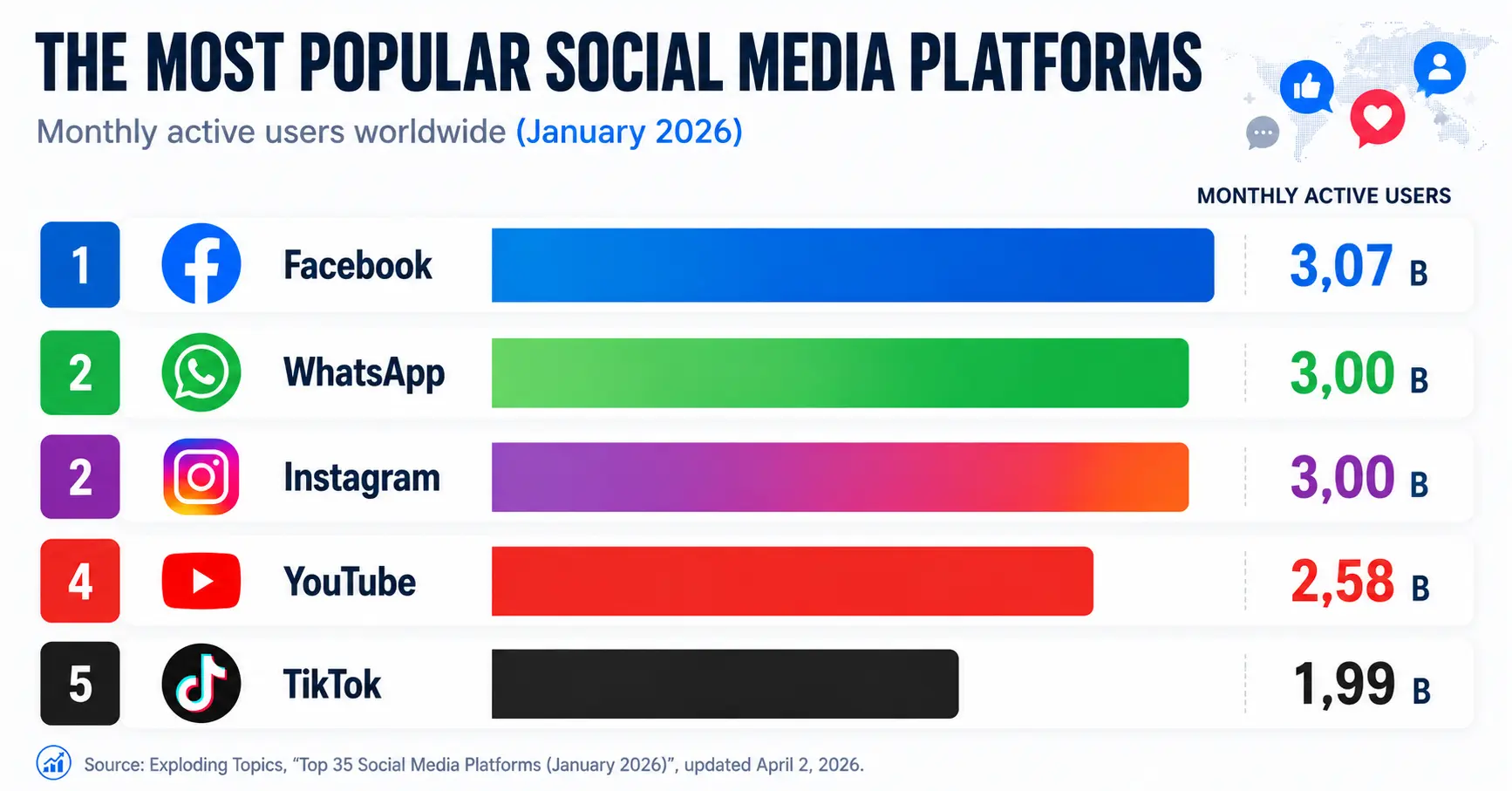
You don’t have to be everywhere. If you’re short on time, pick one main channel and run it well. For accommodations, Instagram and Facebook usually work best. TikTok can be a great channel for places with a strong vibe, an interesting location, or offerings for younger travelers, but it requires more freedom in video creation.
Make booking easy for guests – from your profile straight to the calendar
The biggest mistake accommodation providers make on social media isn’t a lack of nice photos, but a lack of a clear path from interest to booking.
Imagine this scenario: a guest sees a beautiful photo, wants to check availability, but doesn’t know where to click. There’s no link in the bio. The post doesn’t mention availability. They send a private message and wait for a reply. By evening, they’ve forgotten the property’s name – or they’ve already booked somewhere else.
That’s why you should take care of a few things:
- add a booking link to your profile bio,
- pin the most important information in your featured stories,
- regularly update availability,
- direct users to your online booking calendar
- respond quickly to questions,
- display prices, stay policies, and amenities in a simple way,
- avoid communication chaos between messages, phone calls, and OTA platforms.
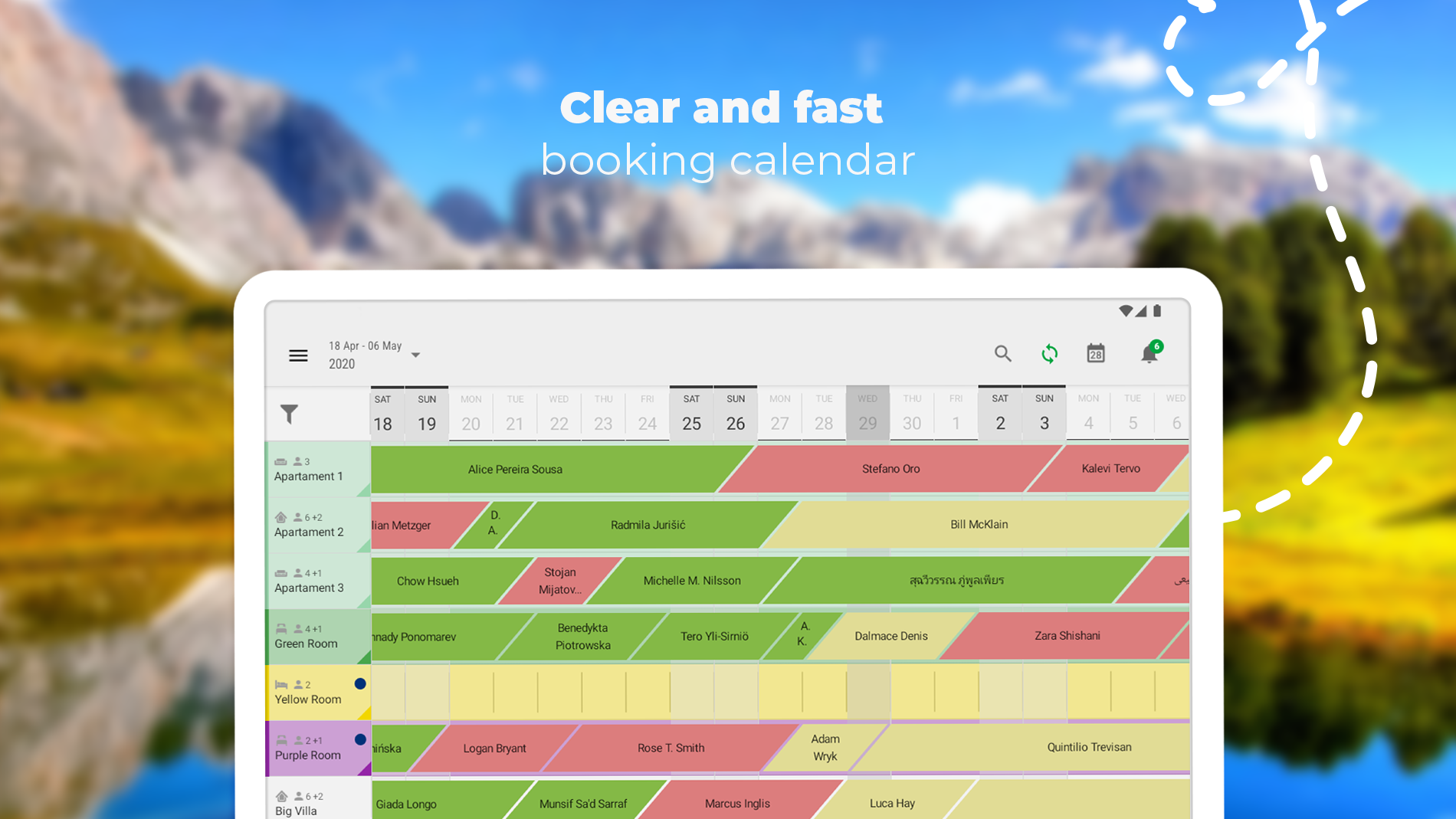
This is where an online booking system like BedBooking. With a booking calendar, you can show guests real-time availability, accept bookings 24/7, and reduce the risk of errors or overbooking. This is especially important when you’re promoting your property simultaneously on Facebook, Instagram, your website, and booking platforms.

Leverage guest reviews and content
Guest reviews are one of the most powerful sales tools. People trust other people more than they trust ads – that’s why it’s worth regularly showcasing reviews, messages from satisfied guests, tagged photos, and repeat business from regular customers.
You can post:
- screenshots of reviews,
- quotes from reviews,
- photos taken by guests,
- posts where your property is tagged,
- season recaps,
- posts like “what guests praise most often.”
Remember to always obtain permission if you publish photos or content submitted by guests. For reviews, you can share an excerpt without personal information or create a simple graphic with a quote.
Sample post:
“What we hear most often from guests is that after their first night in our cottage, they finally feel truly relaxed. The silence, the forest outside the window, and morning coffee on the terrace do the trick. If you need a reset like this too, check the availability for the coming weekends.”
Show the surrounding area, not just the property
A guest isn’t just booking a bed. They’re booking the entire experience: the location, the emotions, the attractions, the comfort, and the memories. That’s why an accommodation property’s social media should showcase not only the interiors but also what there is to do in the surrounding area.
This is especially important for vacation homes, agritourism properties, bed-and-breakfasts, and campgrounds. If you show that there are hiking trails, a lake, restaurants, bike paths, ski slopes, hot springs, or attractions for children nearby, you’ll make it easier for guests to decide.
Ideas for local content:
- “5 places worth seeing in the area,”
- “Where to have lunch near our property?”,
- “Ideas for a car-free weekend,”
- “Attractions for kids within a 20 km radius,”
- “The best walking route for sunset,”
- “What to do here when it rains?”,
- “Local products worth taking home.”
This kind of content isn’t just appealing to your followers. If you later expand it into blog posts or content on your website, it will also boost your visibility on Google for local search terms.
Respond to comments and messages
Social media isn’t a photo gallery – it’s a communication channel. If someone comments, asks about availability, or tags a friend under your post, respond quickly and naturally. A lack of response could mean a lost booking.
Good customer service on social media should be fast, polite, specific, and consistent with the information on your website and in your booking system.
It’s a good idea to prepare ready-made answers to the most common questions:
- Do you accept pets?
- Is there parking?
- How far is it to the beach, downtown, or the trail?
- Can we bring children?
- What time is check-in?
- Are there any available dates during that period?
- How can I book a stay?
This doesn’t mean communication has to be rigid. Pre-written responses help save time, but it’s worth tailoring them to the person you’re talking to.
Don’t be afraid of paid promotion
Organic reach is important, but during peak season, when there are vacancies, or when launching a new offer, it’s worth using ads. Even a small budget can help you reach people interested in vacationing in a specific location.
The simplest advertising campaigns for an accommodation facility are:
- promoting available dates,
- promoting off-season stays,
- campaigns for families with children,
- campaigns for couples,
- advertising holiday, summer, or winter break stays,
- retargeting to people who visited the site but didn’t book.
The most important thing is for the ad to lead to a specific destination: the booking page, availability calendar, or contact form. Promoting a post without a clear goal may increase the number of likes, but not necessarily the number of bookings.
Measure results, not just likes
The number of likes doesn’t always mean effective marketing. For an accommodation owner, concrete results are more important: inquiries, clicks, bookings, occupancy, and revenue.
It’s worth checking regularly:
- which posts generate the most messages,
- which videos have the most saves and shares,
- how many people click the link in the bio,
- what questions come up most often,
- which seasonal offers perform best,
- does the number of bookings increase after an advertising campaign,
- do guests mention that they found the property on Instagram or Facebook?
This way, you’ll stop guessing and start making data-driven decisions.
Content pillars: how to never run out of ideas
Instead of coming up with every post from scratch, divide your content into a few core pillars:
- property – rooms, amenities, views, makeovers,
- the area – attractions, restaurants, trails, seasonal events,
- feedback – reviews, guest photos, returning customers,
- behind the scenes – preparations, daily work, the people behind the property,
- education – travel tips, Q&A,
- sales – availability, packages, off-season promotions.
This structure makes the profile interesting yet organized – and you’ll never be stuck staring at a blank page.
Post ideas for an accommodation facility
If you don’t know what to post, use the list below:
- A tour of a room, apartment, or cottage.
- View from the window, terrace, or garden.
- The property’s top amenities.
- Local attractions.
- Guest reviews.
- Available dates.
- Off-season promotions.
- Behind the scenes of the facility’s preparation.
- History of the place.
- Introduction to the owners or team.
- Frequently asked questions and answers.
- Packing guide for your trip.
- Ideas for a weekend in the area.
- Offers for families, couples, or groups.
- Information about staying with pets.
- Local restaurants and cafes.
- Walking and biking trails.
- Seasonal attractions.
- Photos before and after renovation.
- Reminder about direct booking.
It’s best to divide your content into several categories, such as the property, the neighborhood, reviews, behind-the-scenes, education, and sales. This will make your profile both engaging and well-organized.
Sample weekly posting schedule
Monday: a post featuring inspiration or a local attraction.
Wednesday: a carousel showcasing the property, a room, a cottage, or a view.
Friday: a sales post highlighting available dates or a weekend idea.
Weekend: posts about the property, the weather, breakfasts, the surrounding area, or preparations for guests.
This plan is simple but sufficient for many owners of small lodging facilities. The most important thing is to maintain consistency and not post only when there are available dates.
Summary: Social media should lead to bookings
Well-managed social media helps showcase the property’s character, build trust, and encourage guests to book. However, it’s not just about randomly posting photos. An effective profile should have a clear strategy, regular content, good communication, and a simple path to booking.
Show not just the rooms, but the entire guest experience. Tell stories, answer questions, post short videos, use guest reviews, and direct your audience to current availability.
And if you want to organize bookings from various channels, avoid mistakes, and give guests the ability to book online 24/7, check out BedBooking – a booking calendar and property management app.
FAQ
Ideally 2–3 times a week, and share stories a few times a week. Consistency is more important than frequency – a steady, calm rhythm is better than sporadic bursts of activity.
It doesn’t have to be, but TikTok can help if the property has an attractive location, an interesting vibe, or if the owner wants to create short, natural videos.
It’s worth posting photos of the interiors, highlights from the property, local attractions, guest reviews, available dates, behind-the-scenes glimpses, and practical tips for travelers.
Yes, especially when the profile includes a link to online booking, up-to-date availability information, and clear calls to action.
It’s best to combine regular posts, local content, guest reviews, availability information, and ads targeted at specific groups, such as families, couples, or people looking for a weekend getaway.

We also recommend: