Local experiences as a competitive advantage – how to easily make a guest’s stay more attractive?
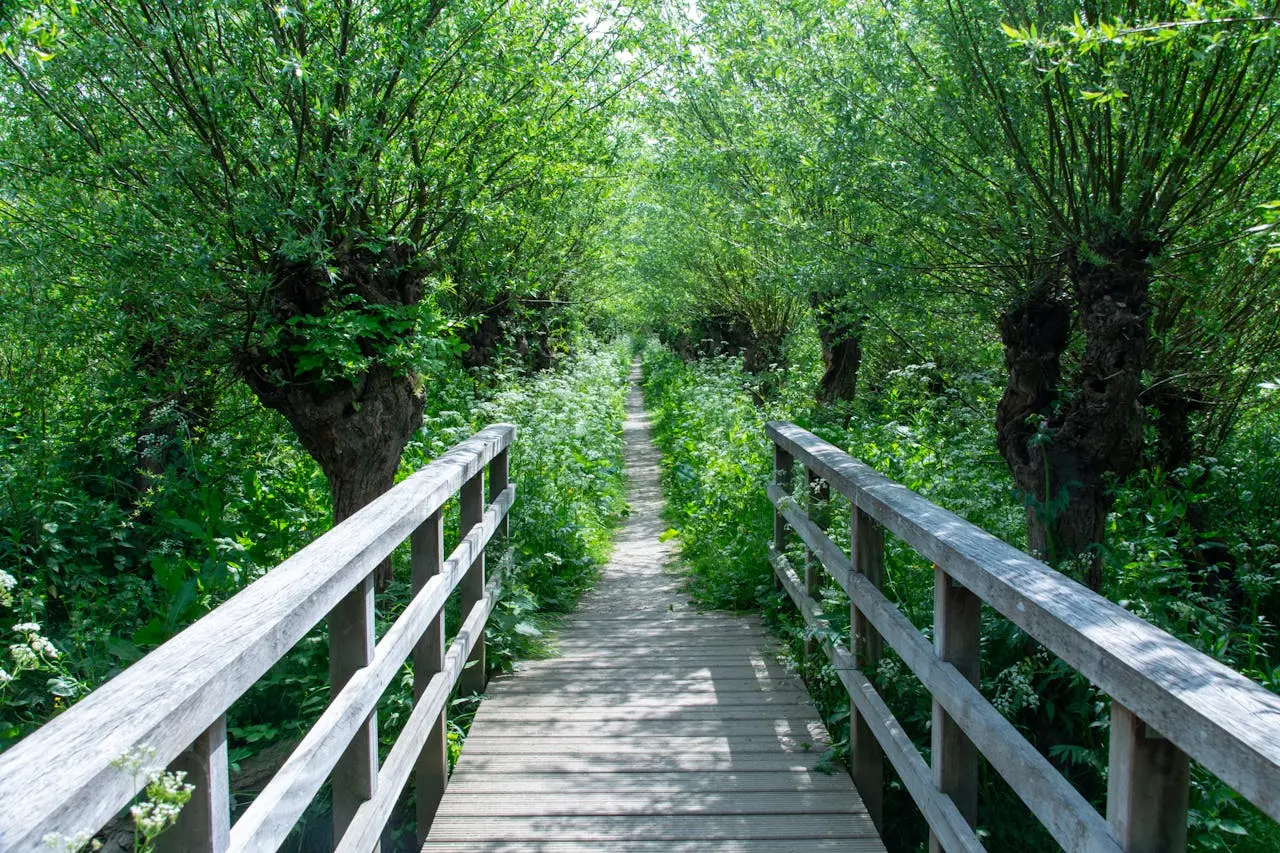
Your guests don’t just come to sleep in a nice room. This is already obvious to most owners of short-term rental properties. The choice of location, region, and its cultural and natural conditions are of great importance. They want to feel the atmosphere of the place, discover something authentic, eat where the locals eat, walk along a path that only the host knows, drink local beer or wine, and eat local dishes. And this is where your biggest advantage lies – even if you don’t have a jacuzzi on the terrace or a sea view. You may have something that others don’t: a local experience. Something authentic. Something that cannot be bought or found in a travel agency brochure.
And no, you don’t have to start a permaculture farm or organize pottery workshops right away. Sometimes a small step is enough: recommending a good restaurant around the corner, leaving a handwritten mini-guide with “the host’s favorite walking trails,” or giving guests a jar of honey from a neighboring beekeeper as a welcome gift. These things stick in the memory. They do the job and make guests say to their friends later: “It was so… different there. Cooler. More authentic.”
In a world where everyone offers “comfort and convenience, all inclusive,” those who give something more than just accommodation win. And you don’t have to be a large resort or boutique hotel. Even if you rent out a single apartment, you can become someone who shows guests the locality, emotions, and place “from the inside.”
In this article, we’ll show you how to do it simply and effectively. Without huge investments, but with big returns – for your brand, reputation, guest loyalty, and… the pleasure of running your business. We’ll talk about collaborating with local artists, ideas for mini-guides, welcome cards that guests will want to photograph, and how these small details can turn an ordinary stay into something truly special.
What travelers are looking for today – and why “locality” is a magnet
Every year, guests become more and more aware of their expectations and needs. It’s no longer just a comfortable bed and a nice room that provides the backdrop for their stay. Travelers want something authentic – they want to feel the atmosphere of a place, get to know it from a perspective they won’t find in tourist guides. In 2025, they will pay the most attention to local experiences.
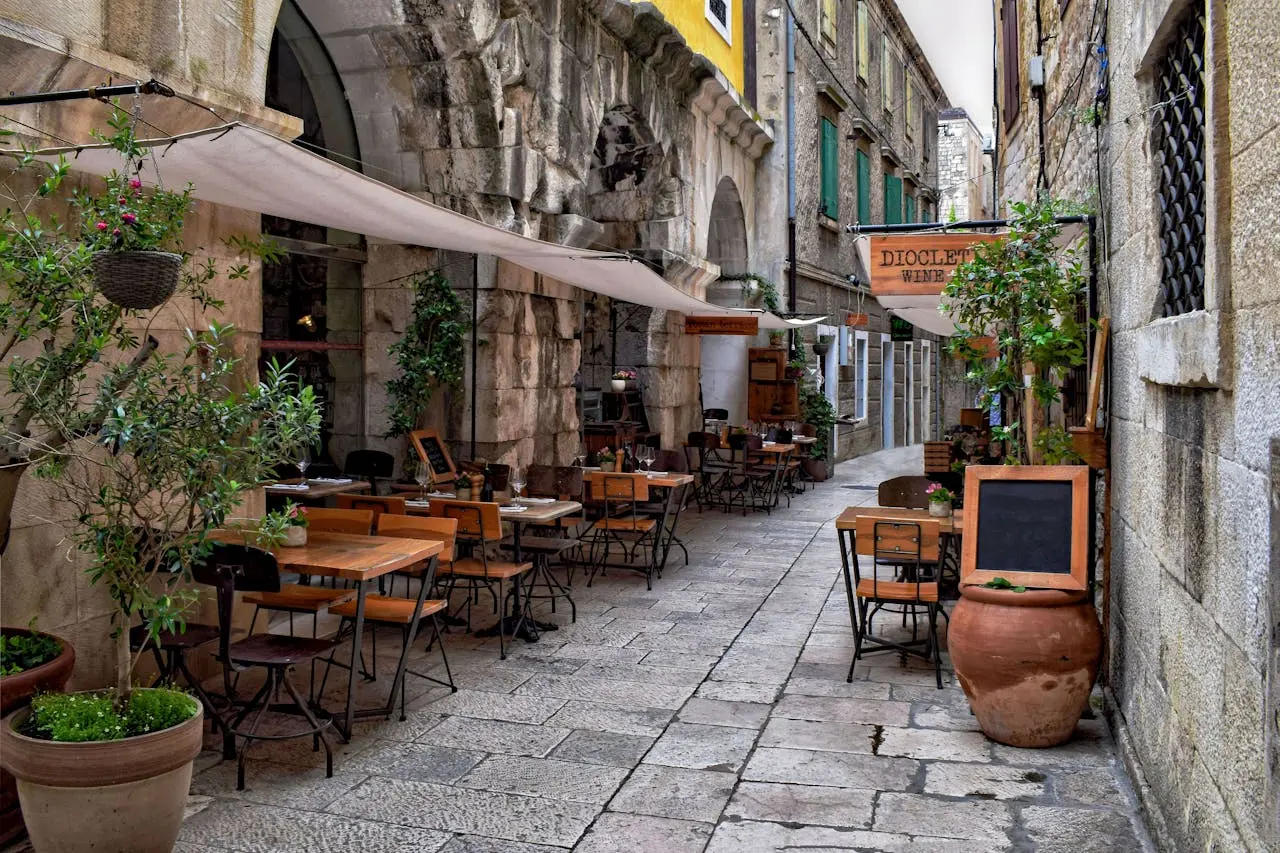
They are beginning to realize that typical tourist attractions – those found on all maps and rankings – are often overrated and too crowded. Although it may be convenient, tourists are starting to look for something real. This year, authenticity has become a key word in the tourism industry. Visitors want to visit restaurants where locals eat, rather than those advertised on billboards in the city center. They choose handmade souvenirs that carry the true history of a place, rather than mass-produced items from China. They strive to make their travels deeper, more personal, and full of unexpected discoveries.
Why is this happening? Because today’s travelers are fed up with “tourist traps.” They don’t want to just be “transported” from one place to another to take a photo in front of a famous monument. Now they want to experience a place firsthand, feel its energy, and get to know its inhabitants. And you are the best carrier of these emotions – a host who knows their region, who is passionate about talking about it, and who can help guests immerse themselves in the real life of the place. And it’s not just about big cities – it is in small towns and unusual locations that there is enormous potential. Even if you run a small apartment in a quiet corner, you have something that big hotels or popular chains don’t have. Your experience is unique because you offer what other guests will find anywhere else – but in a completely different context.
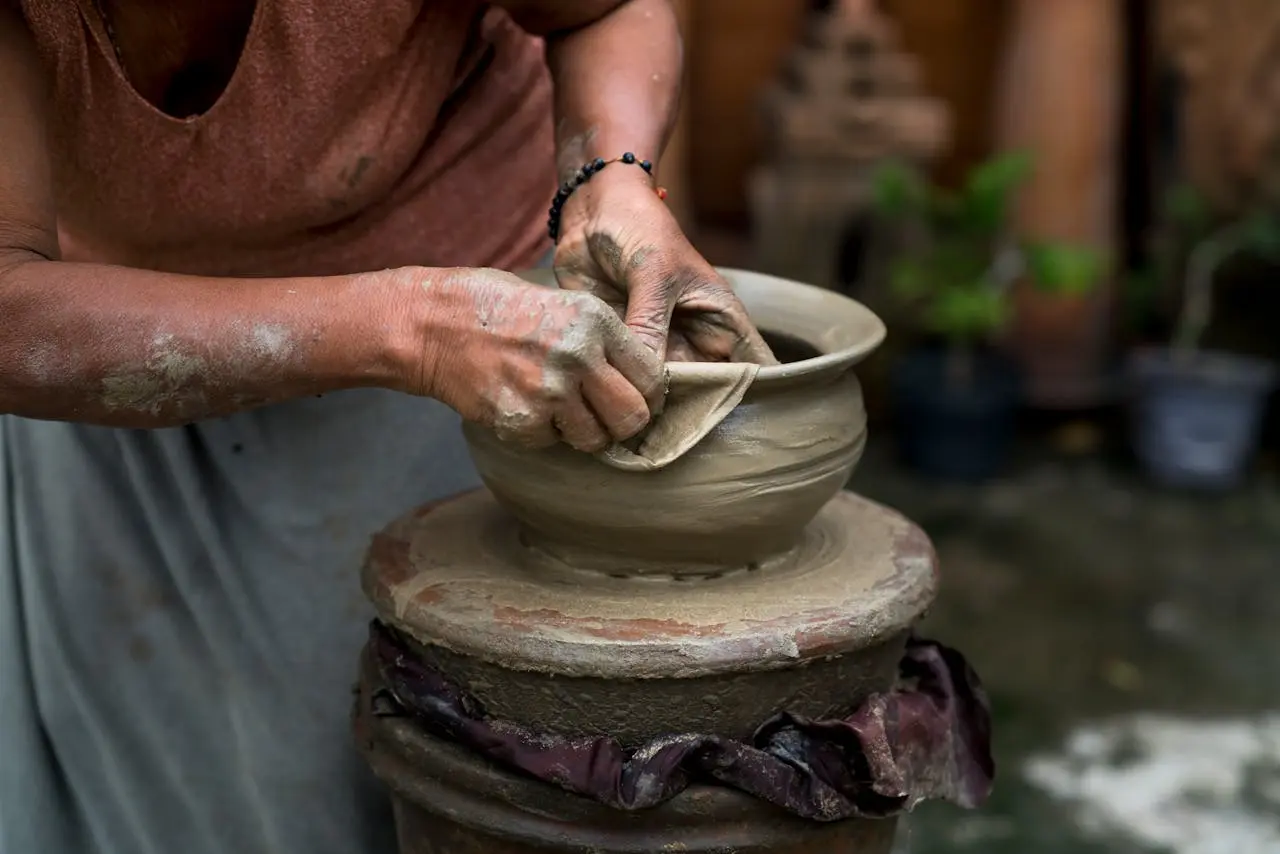
It is worth noting that locality is a real magnet for guests today. In 2025, tourists are becoming increasingly sensitive to authenticity. For many of them, it is the local experience that determines where they choose to stay. But you don’t need to have huge investments or unique, exceptional attractions. Simply collaborating with local artists, transport providers, restaurants, or craftspeople gives you a huge advantage over the competition. It’s these small but significant details – such as recommending a tried-and-tested café or a recipe for the best soup in the area—that can make your place an unforgettable spot on the map. Guests are no longer just looking for accommodation – they are looking for experiences. And it is precisely the local character that you can offer them that becomes your greatest weapon in the battle for the attention and loyalty of tourists.
So even if your property is not located in the very center of a tourist mecca, you have enormous potential to become a guide to an authentic experience. What’s more, this approach does not require large investments. It is a matter of openness, ingenuity, and a slightly bolder approach to presenting your area. Guests will appreciate your authenticity and creativity, and this may mean they return and recommend you to their friends. And that is something that no online advertising can replace. A genuine local experience is worth much more than the best promotions on Booking.com.
And right now, in 2025, when travel is becoming more conscious and meaningful, you have the chance to stand out from other properties. What do you have to offer? What makes your place unique? Show it to your guests, and they will come back for more.
A network of local contacts – start using it
Do you know the owner of a cool bakery or butcher shop? Do you know where to get the best coffee in the area? Or maybe your neighbor makes amazing soaps or cheeses? Great – you already have a network of valuable contacts that you can start using. Cooperation with local creators and entrepreneurs doesn’t have to be complicated. On the contrary – often all it takes is a simple conversation and a proposal: “Listen, I have guests, maybe I could recommend you, and you could give them a discount?”
This relationship works both ways: you give your guests something extra, and your local partner gains advertising and customers. It’s a win-win situation. And it’s not just about restaurants – think bigger: guides, craftspeople, beekeepers, herbalists, people who know local history or run micro-wineries or brew local beer. Their passion is your competitive advantage.
Mini-guides, a wonderful gesture for your guests
Imagine a guest arriving at your apartment and finding a short guidebook on the table: “3 places to eat like a local,” “The host’s favorite walking trails,” “Where to buy fresh cheese and bread on Thursday mornings?” Not a guide from the city. Yours. Subjective, personal, short. One that makes your guest feel like they’re visiting a friend.
You don’t have to do it in an expensive way – all you need is an A4 sheet of paper, a nicely designed PDF, or even a simple corkboard in the kitchen. You can add a QR code that links to Google Maps with the points marked. Such a guide is not only valuable for the guest – it’s free marketing. Guests take photos of it, share it, and come back. And you can update it every season based on feedback – let it be something alive.
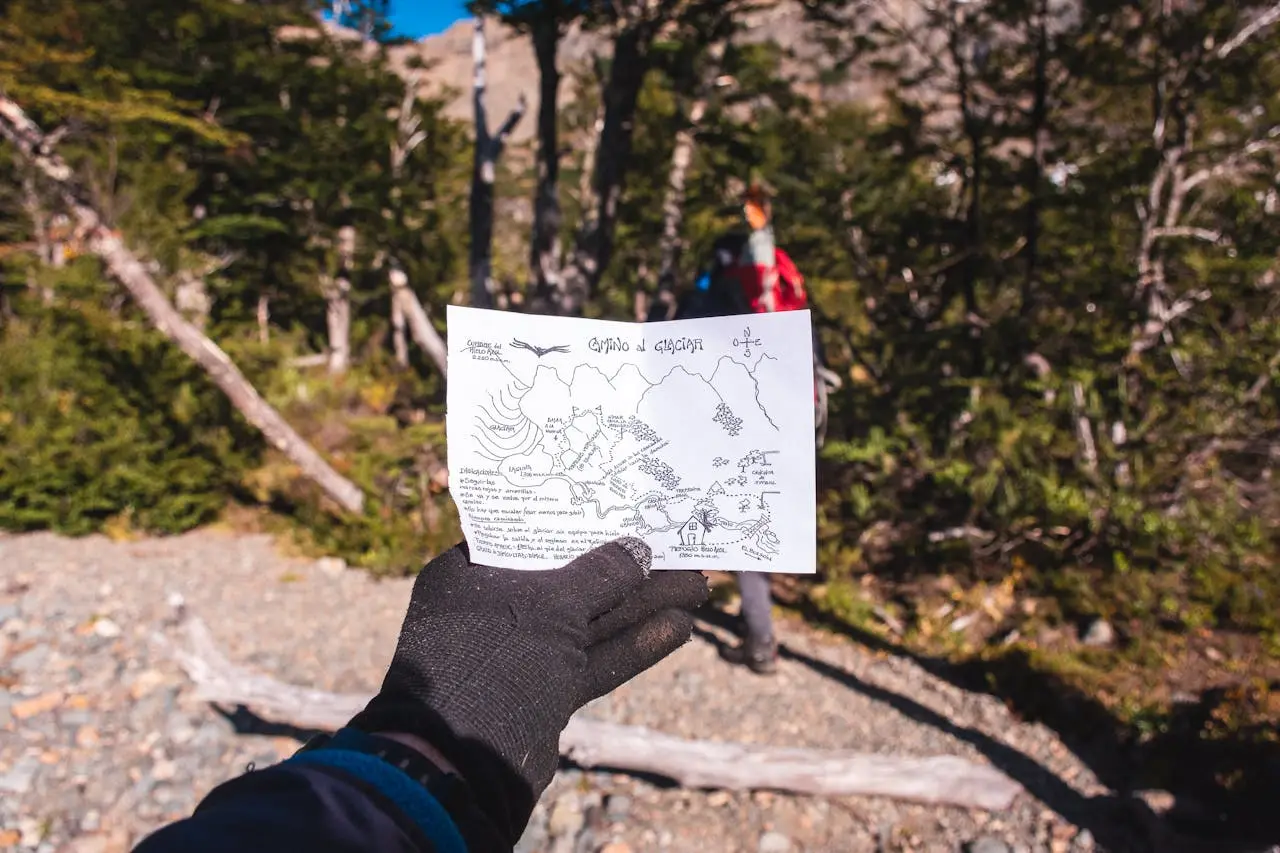
A welcome card with a local touch – a simple way to create a WOW effect on “good morning”
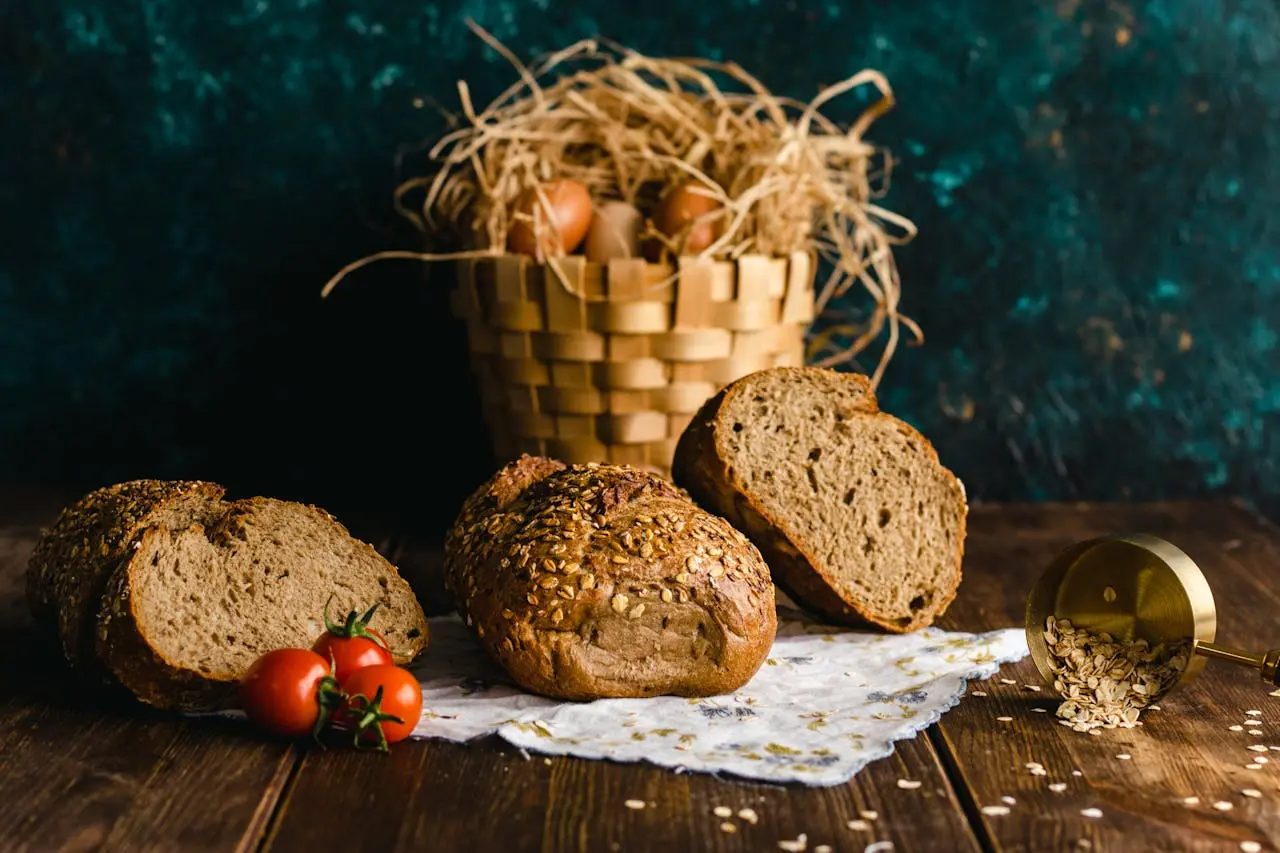
You only get one chance to makea first impression. And nothing says “welcome” as well as a small local touch to start with. It could be a jar of honey from a neighbor, a tiny bottle of homemade juice, a bookmark made by a local artist, or a sample of natural soap or a handmade candle.
It’s not about the material value – it’s about the gesture. The guest sees that you are making an effort, that you care, that this is not just another impersonal hostel. Such gifts are also eagerly photographed and posted on social media – and that means free advertising. You can add a short note explaining where the gift comes from and why it is worth supporting local artists. It works. And it builds your brand in the eyes of your guests.
Finally, the most important thing. “Locality” is not just a charming addition. It is a strategy for building a strong brand. In a world overloaded with information, guests are looking for emotions and memories. And these are most often associated with a place where they felt… simply good. Truly. Unlike anywhere else.
A guest who has been recommended a brilliant restaurant and given a jar of honey for the road will not only leave a good review. They will come back, recommend you to their friends, and remember you as more than just a host – as someone who showed them a piece of real life and added variety to their trip.
And that is why locality should not be treated as a cost, but as an investment in loyalty, marketing, and the future of your business.